

Posted by Tarun Arora
on May 02, 2025

The modern workplace is no longer defined solely by desks, chairs, and fluorescent lighting. As more organisations recognise the importance of design in employee well-being, productivity, and company culture, office interiors have become a vital aspect of business strategy. While significant attention is often given to layout, lighting, and ergonomics, there is another subtle yet powerful factor at play: colour.
The colours we surround ourselves with at work - particularly through furniture - can influence our mood, cognitive performance, and even how we collaborate with others. From the energising effect of a bold yellow chair to the calming influence of a soft blue desk, the psychology of colour is more than just an aesthetic concern; it is a functional tool for enhancing workplace effectiveness.
In this article, we’ll explore how different office furniture colours influence mood, productivity, and collaboration. Discover how to choose the right shades to create a more effective and engaging workplace.
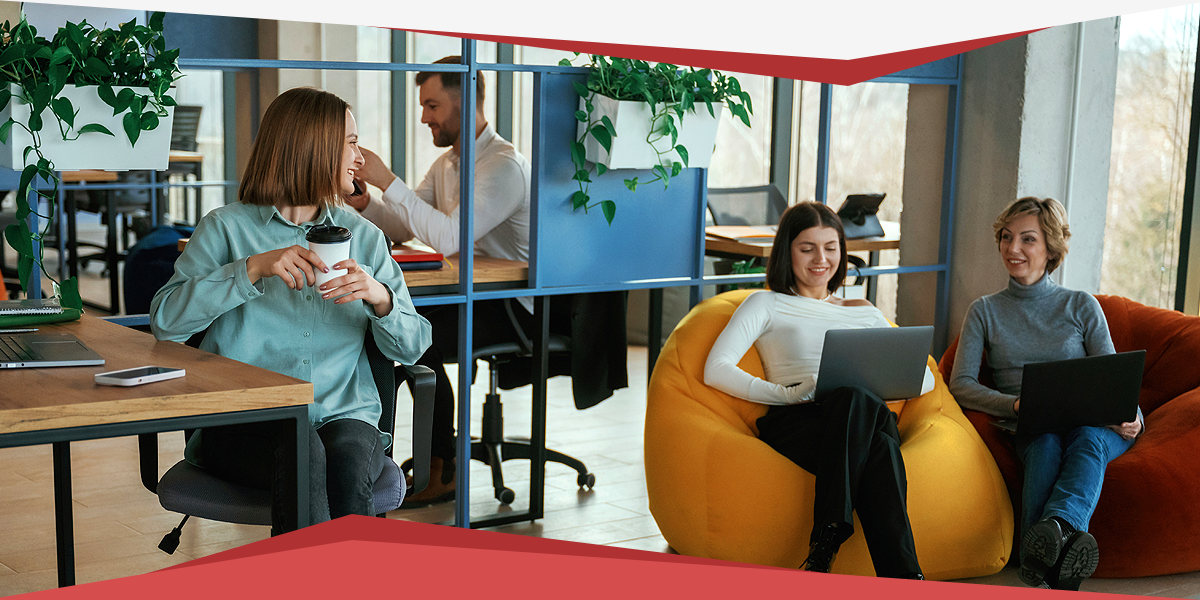
The Science Behind Colour Psychology
Colour psychology is the study of how colours affect human behaviour and emotions. It is widely used in marketing and branding, but its influence extends into interior design as well. Colours provoke psychological responses that can either stimulate or soothe, energise or calm. In a professional environment, these responses can significantly impact how employees feel and perform.
When applied thoughtfully to office furniture - whether through the upholstery of a chair, the finish of a desk, or the colour of modular storage - colour can subtly influence workplace behaviours without necessitating major structural changes. The key lies in understanding the effect each colour has and how best to use it in different areas of the office.

Calming Colours for Focus and Concentration
Creating a calm and focused workspace is essential for supporting productivity–especially in environments where employees need to concentrate for extended periods. Cool tones like blue and green are ideal for promoting mental clarity and reducing stress, making them excellent choices for office furniture.
Blue – For Deep Focus
Blue is often associated with logic, stability, and calm. It’s a colour that supports clear thinking and helps reduce mental distractions, making it particularly well-suited to task-heavy or detail-oriented workspaces. Incorporating blue into office furniture - such as ergonomic office chairs, storage units, or privacy screens - can help employees feel more composed and mentally prepared for deep work.
Best used in:
-
Private offices
-
Meeting rooms with a focus on strategy or analysis
-
Workstations requiring prolonged concentration
Green – For Calm and Comfort
Green brings a sense of balance and harmony, drawing on its connection to nature. It’s known for its soothing qualities and is especially beneficial in screen-heavy work environments, as it’s easier on the eyes and helps prevent visual fatigue. Office furniture in forest or sage green tones - like desks, soft seating, or acoustic panels - can create a more grounded and restorative work atmosphere.
Best used in:
-
Open-plan work areas
-
Shared desks or hot-desking zones
-
Informal breakout spaces designed for mental recharging

Energising Colours to Spark Creativity
While calming tones support concentration, more vibrant colours can stimulate the imagination and enhance collaborative energy. In particular, warmer hues such as yellow and orange are known for their uplifting and invigorating qualities - making them ideal for creative environments or areas that benefit from a more dynamic atmosphere.
Yellow - For Creativity and Optimism
Often referred to as the most psychologically stimulating colour, yellow is linked to optimism, confidence, and idea generation. It has been shown to activate the brain’s left side, which is responsible for logical reasoning and innovative thinking. Incorporating yellow into office furniture can inspire a sense of enthusiasm and spark fresh perspectives.
Yellow is especially effective in spaces dedicated to brainstorming, team huddles, or design work. However, because it’s such a strong visual stimulus, it’s best used in moderation to avoid sensory overload. Accent furniture pieces in mustard or pastel yellows strike a good balance between stimulation and subtlety.
Best used in:
-
Creative departments
-
Brainstorming zones
-
Informal collaboration spaces
Orange - For Enthusiasm and Collaboration
Orange combines the optimism of yellow with the warmth of red, making it a highly energising and sociable colour. It encourages communication, physical activity, and emotional engagement—all of which are important for building strong team dynamics. In office design, orange furniture can be a powerful cue for movement and interaction.
This makes orange a suitable choice for communal areas like kitchenettes, social hubs, or breakout lounges. Think high stools around a shared table, statement armchairs, or mobile storage units in burnt orange or terracotta shades. These pieces invite interaction and help create a lively, open atmosphere.
Best used in:
-
Collaborative lounges
-
Communal kitchens
-
Agile workspaces and team hubs

Neutral and Professional Tones for a Balanced Atmosphere
While bold and energising colours have their place, a well-functioning office also benefits from visual balance. This is where neutral tones come into play. Colours like grey, beige, taupe, white, and natural wood finishes may seem understated, but they play a crucial role in creating a stable, professional, and calming environment.
Why Neutral Colours Matter in the Workplace
Neutral colours act as a visual anchor. They help to tone down more vibrant hues and prevent overstimulation, creating an environment that feels organised, clean, and composed. In client-facing spaces, reception areas, or executive offices, neutral furniture can convey professionalism and sophistication without being stark or clinical.
For example, light grey or stone-coloured desks and storage units lend a sense of calm and clarity. Beige or off-white task chairs blend seamlessly into a minimalist design, while warm wood finishes add a touch of natural warmth and texture.
Neutral Tones to Support Focus and Versatility
Neutral furniture also enhances flexibility in the workplace. Because these tones pair well with virtually any other colour, they make it easier to adapt or evolve the office’s look over time. They allow organisations to incorporate feature colours through accessories - such as cushions, desk lamps, or wall art - without needing to overhaul the entire furniture scheme.
Moreover, studies have shown that excessively stimulating environments can hinder productivity, especially for introverts or those working on complex tasks. By grounding the office in neutral tones, businesses provide a visual ‘breathing space’ that allows employees to focus, decompress, or reset.
Best used in:
-
Boardrooms and executive offices
-
Reception areas
-
Open-plan workspaces
-
Anywhere requiring a refined, timeless aesthetic
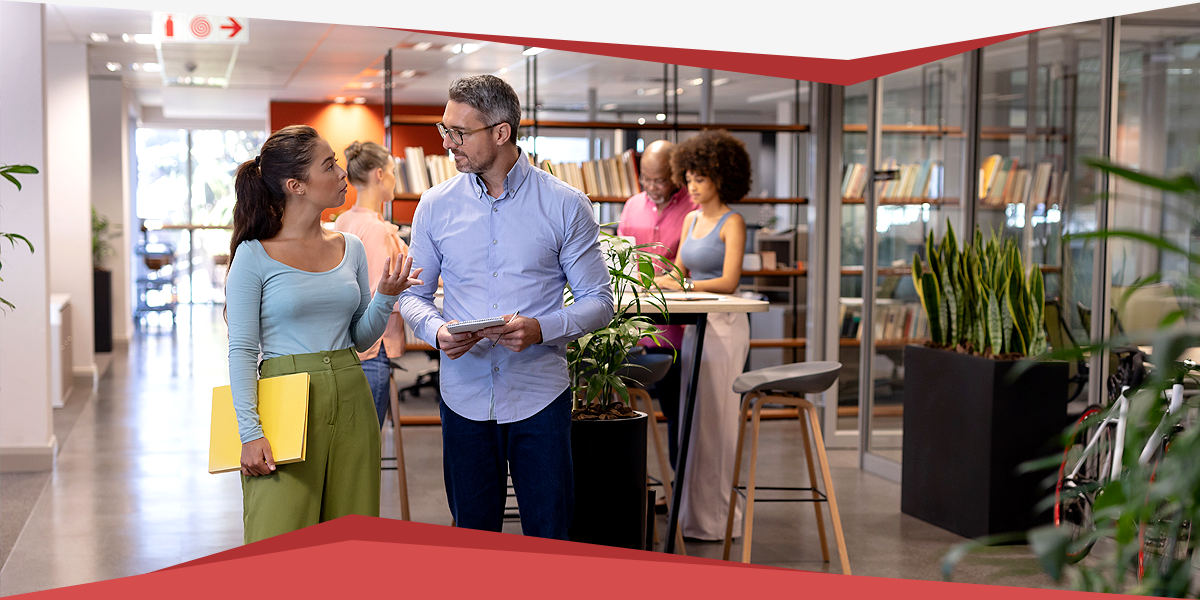
Colour Zoning and Layout Tips
In modern office design, colour can also serve as a subtle way to define space and function. This technique, known as colour zoning, uses different colour palettes to visually organise a workspace without relying on physical partitions. By incorporating specific colours through office furniture, businesses can signal the purpose of various areas, guide behaviour, and enhance the flow of the working environment.
Using Colour to Define Work Zones
Strategically placing furniture in distinct colours can help create intuitive divisions within an open-plan office. For example:
-
Blue and green furnishings in quiet corners or individual workstations support calm and focus.
-
Yellow or orange seating in communal zones encourages idea-sharing and collaboration.
-
Neutral desks and tables can anchor main working areas with a professional and balanced tone.
This approach not only improves navigation and usability but also supports employees in mentally shifting between tasks. When the colour of a chair or table cues what type of work should happen there, it becomes easier to transition from deep focus to teamwork, or from work to rest.
Encouraging Natural Movement and Interaction
Colour zoning also plays a role in facilitating movement around the office. A lounge area with brightly coloured armchairs may signal an invitation to take a break, while muted hues in a hot-desking zone promote order and quiet productivity. When done well, this type of design encourages employees to use the space as intended - without the need for signs or strict rules.
Layering for Subtlety
Importantly, colour zoning doesn’t have to be loud or overwhelming. It can be achieved through thoughtful layering of tones - perhaps a cluster of sage green acoustic panels paired with soft-toned desks in a focus zone, or a splash of ochre chairs to brighten a meeting nook.

Choosing the Right Colours for Your Workplace
While understanding colour psychology is essential, applying it successfully means aligning colour choices with your organisation’s goals, culture, and brand identity.
Let Your Culture and Brand Lead the Way
Start by considering your company’s personality. Is it fast-paced and creative, or calm and process-driven? Do you want to project innovation, trust, professionalism - or all three? These qualities can be echoed in the furniture you choose:
-
A tech start-up may favour energising accent pieces in yellow or orange to promote creativity.
-
A legal or financial firm might prefer calming blues and neutral tones to communicate reliability and structure.
-
Green, often associated with growth and well-being, may suit companies with a focus on sustainability or holistic values.
Your brand’s visual identity - colours used in your logo, website, or marketing materials - can also guide your palette, helping create a sense of consistency and cohesion.
Start Small and Test the Impact
Before committing to a full-scale redesign, consider introducing colours gradually. Accent furniture, such as a bold set of chairs, coloured storage units, or a feature table, can serve as a low-risk way to explore how colour affects the space and the people in it.
This phased approach allows time for feedback and observation. It’s often surprising how even subtle shifts in colour tone can influence atmosphere and behaviour.
Involve Employees in the Process
One often overlooked aspect of office design is employee input. Engaging your team in decisions about workspace colours not only creates a sense of ownership but can also boost morale and engagement. After all, they’re the ones using the space every day.
Surveys, mood boards, or test zones with different furniture options can offer valuable insight into what your team wants—and what makes them feel most productive.
Mind the Lighting and Existing Décor
Lastly, don’t forget that colour is never seen in isolation. The lighting in your office - whether natural or artificial - can dramatically alter how a colour appears. A soft sage green might feel fresh and airy under daylight but dull and greyish under certain fluorescent bulbs.
Similarly, the existing materials and finishes in the space - flooring, wall paint, and even artwork - should be considered when introducing new furniture colours. Look for harmony and contrast where appropriate, and avoid overcrowding the space with competing tones.
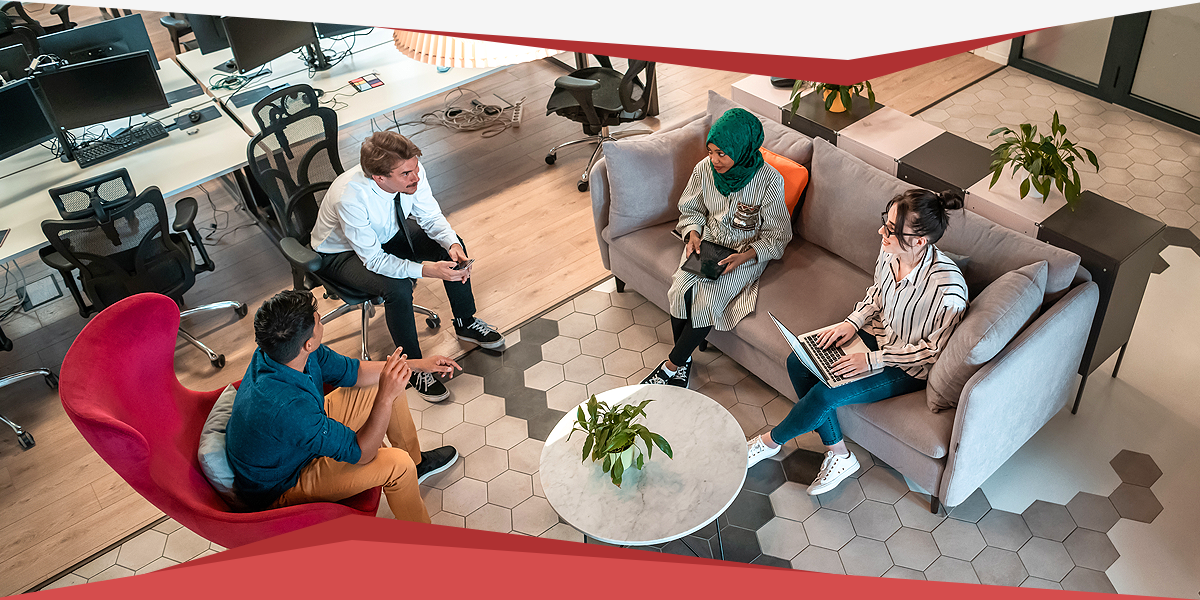
Find the Right Furniture to Transform Your Office
Incorporating colour psychology into your office furniture choices is a simple yet powerful way to enhance focus, spark creativity, and support a productive, balanced working environment.
Here at Southern Office Furniture, we offer a wide selection of office furniture in a variety of colours and finishes to suit any workspace. From calming tones to energising accents, our range helps you create an office that looks great and works smarter.